

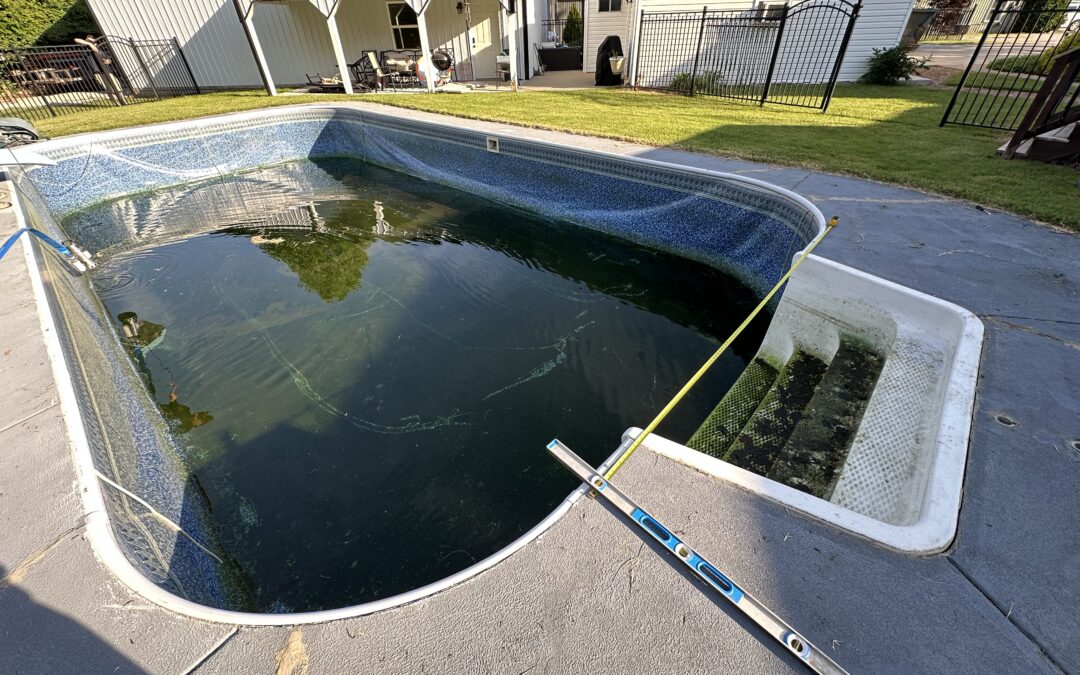
July is the month your pool fights hardest to stay clear. The heat is relentless, the sun beats down for hours, and your backyard sees more swimmers than any other time of year. All of that creates the perfect storm for algae to take hold, sometimes turning clear water green in a single day.
The good news? Algae is preventable. When you understand why July hits pools so hard and how to stay ahead of the problem, you can keep your water sparkling all month long. Here’s what you’ll learn:
- Why July is the peak month for algae growth
- How to identify the three main types of algae early
- Practical steps to prevent algae before it starts
- When to call in a professional for help
Why July Is Peak Algae Season
Algae is always present in tiny amounts. It only becomes a problem when conditions let it bloom. In July, nearly every condition algae loves lines up at once.
Intense Summer Heat
Warm water is a breeding ground for algae. As temperatures climb into the 80s and 90s, algae reproduces faster and your sanitizer burns off more quickly. Heat speeds up chemical reactions, so the chlorine that protected your water last week may already be gone.
Prolonged UV Exposure
The long, sunny days of July do more than warm the water. Ultraviolet rays break down free chlorine fast, sometimes cutting its lifespan to just a few hours without proper stabilizer. Less chlorine means less protection, and algae wastes no time exploiting the gap.
Heavy Swimmer Traffic
More cookouts, more guests, and more kids in the pool all add up. Every swimmer brings oils, sweat, and sunscreen into the water, and each of those contaminants consumes chlorine. A busy weekend can drain your sanitizer to almost nothing, leaving your pool defenseless by Monday.
Frequent Summer Storms
Kentuckiana summers bring sudden thunderstorms that dump rainwater into your pool. That runoff dilutes your chemistry, shifts your pH, and introduces phosphates and organic debris that feed algae. A single storm can knock a balanced pool out of range in minutes.
Know Your Enemy: The Three Types of Pool Algae
Not all algae behaves the same way. Spotting the type early helps you treat it correctly before it spreads.
Green Algae
Green algae is the most common and the easiest to recognize. It floats freely in the water or clings to walls and floors, turning the pool a cloudy green. Catch it early and it clears quickly with shocking and brushing. Left alone, it can take over an entire pool within days.
Early sign: Water looks slightly hazy or dull green, and surfaces feel slick to the touch.
Yellow (Mustard) Algae
Yellow or mustard algae is trickier. It clings to shaded areas like corners, steps, and behind ladders, and it resists normal chlorine levels. People often mistake it for dirt or pollen. It comes back easily if you don’t treat every surface thoroughly.
Early sign: Dusty, yellowish patches that brush away but return in the same spot.
Black Algae
Black algae is the toughest to beat. It forms dark spots with deep roots that dig into plaster and grout, protected by a hard outer layer that shrugs off chlorine. It demands aggressive brushing, targeted treatment, and patience.
Early sign: Small black or blue-green spots on rough surfaces that don’t wipe off easily.
How to Prevent Algae Before It Starts
Prevention is always cheaper and easier than cleanup. These strategies keep algae from ever getting a foothold.
1. Keep Your Chemistry Balanced
Balanced water is your first and best defense. Test regularly and keep these levels in range, especially during a hot July.
- Free chlorine: 2–4 ppm
- pH: 7.4–7.6
- Total alkalinity: 80–120 ppm
- Cyanuric acid (stabilizer): 30–50 ppm
When chlorine stays strong and pH stays steady, algae never gets the opening it needs.
2. Run Your Pump for Proper Circulation
Algae loves still water. Stagnant corners and dead zones give it a place to settle and grow. Run your pump 8–12 hours a day during peak summer, and angle your return jets to keep water moving across the whole pool. Good circulation spreads chemicals evenly and denies algae the calm water it craves.
3. Brush the Walls and Floor Weekly
Brushing does more than clean. It dislodges algae before it can anchor itself, so your sanitizer and filter can finish the job. Focus on shaded corners, steps, and behind ladders where algae likes to hide. A stiff brush works best on plaster; use a softer one on vinyl.
4. Shock the Pool Regularly
A weekly shock treatment keeps sanitizer levels high enough to destroy algae and organic buildup. Shock in the evening so the sun doesn’t burn off the chlorine before it works, and run the pump overnight to circulate the treatment. Always shock after a big pool party or a heavy storm.
5. Address Storms and Heavy Use Quickly
Don’t wait to check your water after a storm or a busy weekend. Test right away, rebalance as needed, and add a shock treatment if chlorine has dropped. Acting fast closes the window algae would otherwise slip through.
Common Mistakes That Invite Algae
Even careful pool owners make missteps in July. Watch out for these:
- Skipping tests during heat waves. Chemistry changes fast in summer, and a weekly check may not be enough.
- Under-running the pump to save money. Reduced circulation is one of the fastest ways to invite algae.
- Ignoring shaded spots when brushing. Mustard and black algae start in the corners you skip.
- Waiting until water turns green. By the time you see it, algae is already winning.
Why Trust Polis Pools for Algae Prevention
Polis Pools is a veteran-owned pool service company proudly serving Louisville, Kentucky, and Southern Indiana. We bring the discipline, precision, and reliability of military service to every pool we care for.
Our weekly service keeps your water balanced and monitored so algae never gets a chance to bloom. We test accurately, adjust precisely, and inspect your circulation and equipment on every visit. If algae has already taken hold, we know how to identify the type and treat it correctly the first time, whether it’s a green haze or stubborn black spots.
We show up when we say we will, communicate honestly, and treat your property with respect. Families across Kentuckiana count on us to keep their pools clean and swim-ready through the toughest month of the year.
Stay Ahead of Algae This July
July gives algae every advantage: heat, sunlight, crowds, and storms. But with balanced chemistry, strong circulation, regular brushing, and consistent shocking, you can keep your water crystal clear all season. The key is staying proactive, because catching algae early is far easier than clearing a green pool.
Don’t wait for a green surprise to ruin your summer. Contact Polis Pools today to schedule professional pool service and keep algae out of your pool before it ever takes over.
Recent Comments